Português
 Inês: in the poetry of Resende, Camões, Bocage and Vieira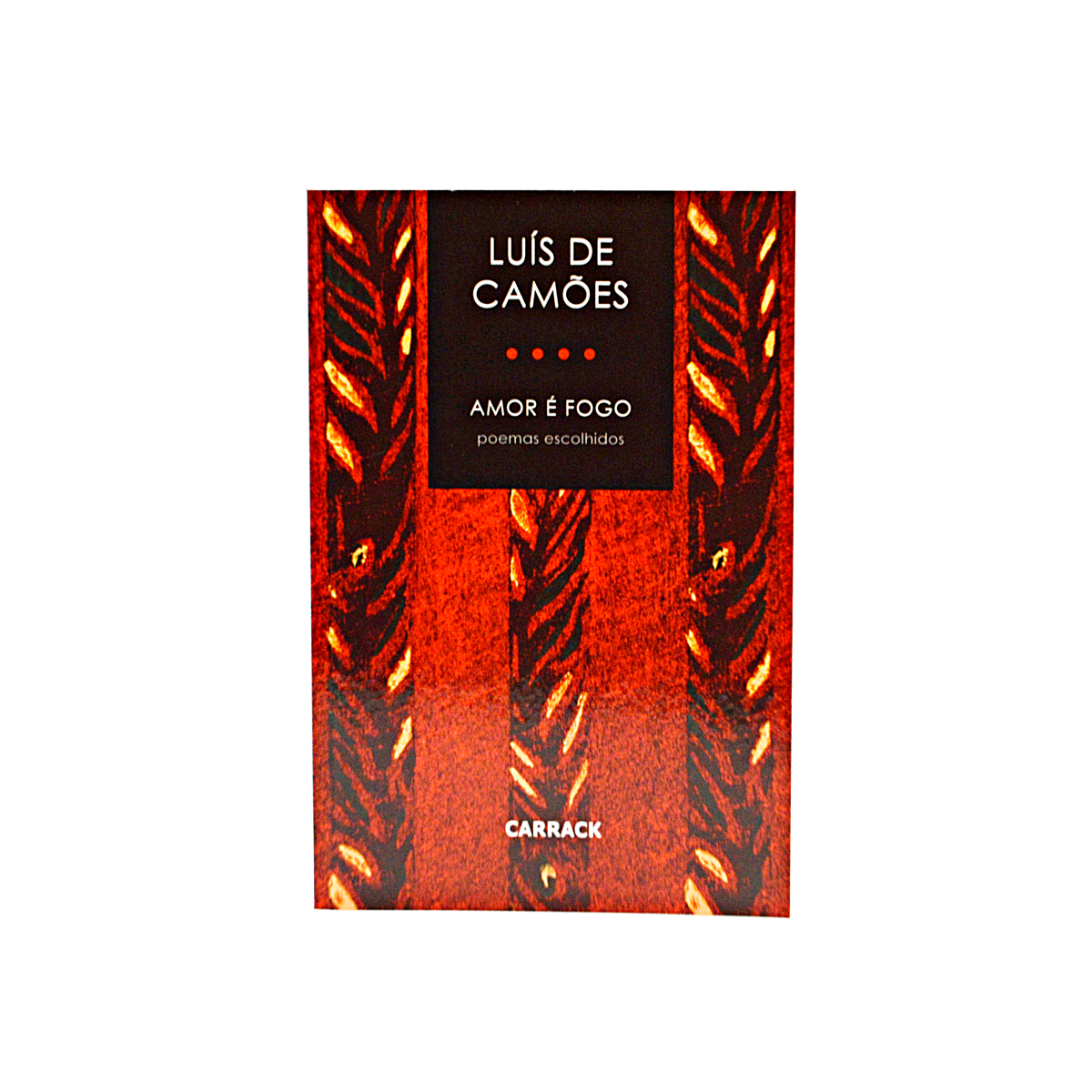
Luís Vaz de Camões is, undoubtedly, the main figure in Lusophone literature. Little is known about his life. He was born around 1524, into a family of minor nobility. It is assumed that he studied in Coimbra under the guidance of his uncle D. Bento de Camões, having received a solid classical education. In Lisbon, from the beginning of the 40s, he would have frequented the Court as a noble knight and indulged in a bohemian and turbulent experience in the city streets. Around 1550 he spent two years in Ceuta where he lost his right eye in combat. He returned to Lisbon and left for the East in 1553 as a private soldier. He participated in military expeditions and was reportedly in Macau. On the return trip to India, he swims to safety with his manuscripts during a shipwreck at the mouth of the Mecom River. In 1568 he was in Mozambique, in a situation of poverty, and was helped by friends to return to Portugal. With the support of D. Manuel of Portugal, he managed to publish his epic poem The Lusiads in 1572. He died in Lisbon on June 10, 1580.
Camões left us an extensive lyrical work (published posthumously with the title Rimas, 1595) where the Renaissance literary current intersects with the traditional forms of his time. Camões’ poetic genius, in addition to the intensity with which he expresses his passionate world, reflects on existential themes with a finesse of style that is already part of a new model: baroque conceptualism.
54 compositions were selected for this edition: 36 are in Rimas and 18 are stanzas from Os Lusíadas.
Collection: Discovering the Classics
Author: Luís de Camões
Language: Portuguese
Measurements: 120×182 mm (softcover)
Pages: 124
Publisher: TEGNER-publishing, Lda
Chancela: CARRACK books
First edition: June 2023
| Weight | 0,200 kg |
|---|
Related products