Português
-
×
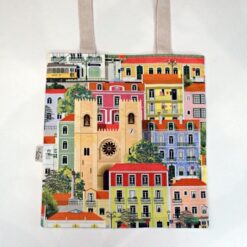 Lisbon Tote Bag
15,00 €
Lisbon Tote Bag
15,00 € -
×
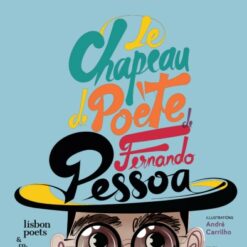
 Book Le Chapeau de Poète by Fernando Pessoa
15,00 €
Book Le Chapeau de Poète by Fernando Pessoa
15,00 €
 Book Le Chapeau de Poète by Fernando Pessoa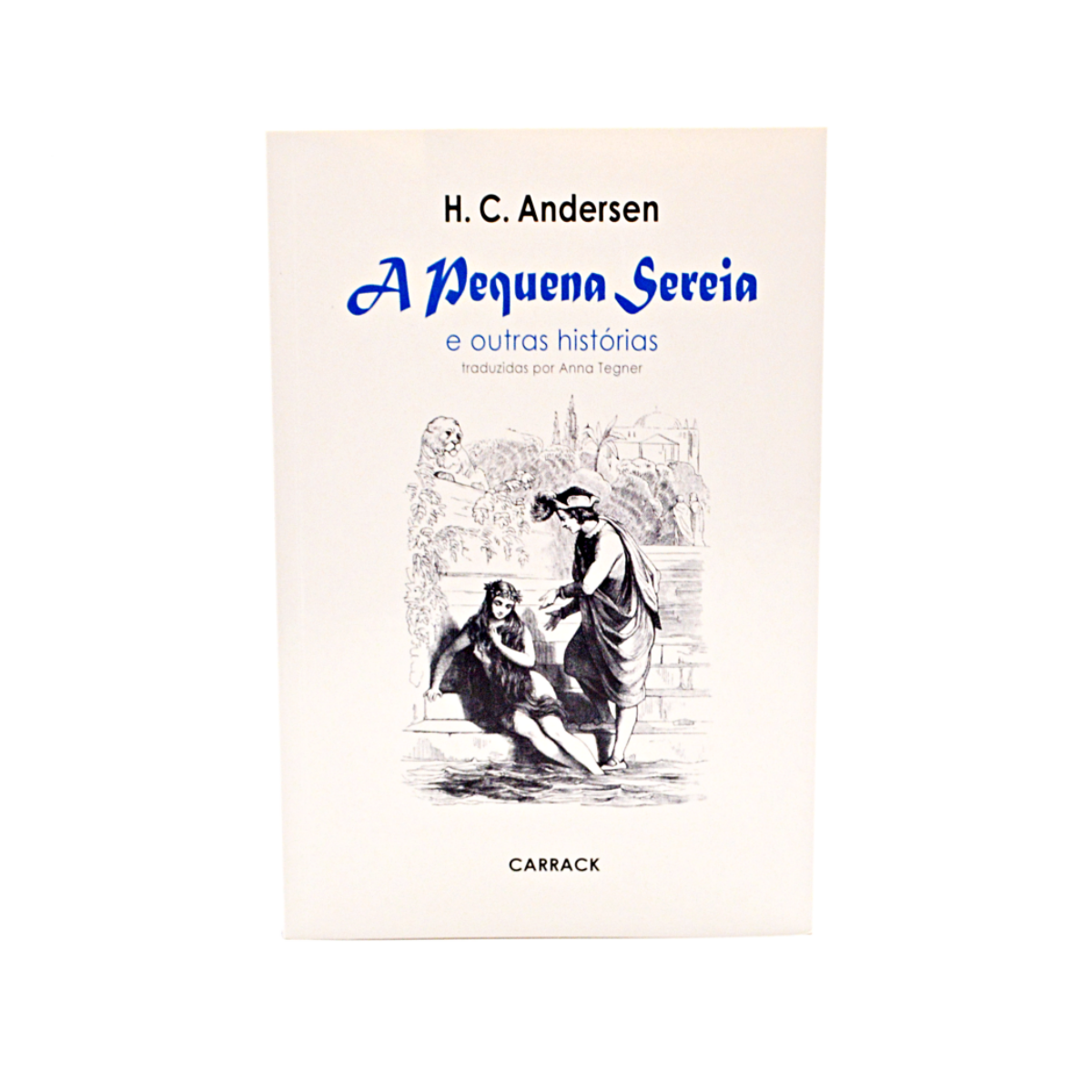
The Little Mermaid and other stories


9,80 €
This book brings together three stories by Hans Christian Andersen in a new translation: each story invites the reader, whatever their age, on a journey to enchanted worlds, which suggest to us that not everything that our eyes see is reality. . . not even the eye can fully grasp it.
Language: Portuguese
In stock
Hans Christian Andersen was born into a humble family in 1805 in Odense, Denmark. His father, a shoemaker, encouraged him to read the classics and enjoy telling stories. At the age of 14, he set off on his own to Copenhagen to pursue his dreams. In 1831 he published his first collection of poetry and in 1833 he received a travel grant and set off on his first great adventure through Europe, which was reflected in his motto “To travel is to live”. He never owned his own home, and despite several crushes, he never married. When he wasn’t traveling, he stayed in guest rooms or at the homes of friends and acquaintances. When he went out for visits or dinners, the children liked to sit and listen to him tell stories and watch him make his fascinating paper cut-outs. He wrote more than 150 short stories, for which he became internationally renowned. He was often inspired by traditional stories and developed his own style, especially in tales involving animals, plants and personified objects. Not only was he productive in this genre, but he also wrote novels, plays, travel stories – including A Visit to Portugal in 1866 – and poems, some of which were set to music and are still popular in Denmark today. He died
in August 1875, at the home of good friends in Copenhagen.
Mermaids already existed in ancient mythology, where their songs confused sailors. But they were not good like this little mermaid, who suffered so much for love and wanted to have an immortal soul. This book brings together three stories by Hans Christian Andersen in a new translation: each story invites the reader, whatever their age, on a journey to enchanted worlds, which suggest to us that not everything that our eyes see is reality. . . not even the eye can fully grasp it.
Collection: Enchanted World
Author: H. C. Andersen
Language: Portuguese
Measurements: 139×210 mm (softcover with/ flaps)
Pages: 106
Publisher: TEGNER-publishing, Lda
Chancela: CARRACK books
First edition: April 2025
| Weight | 0,200 kg |
|---|
Related products




Out of stock